Before the Hob Arrives: Getting an Induction Supply Right First Time
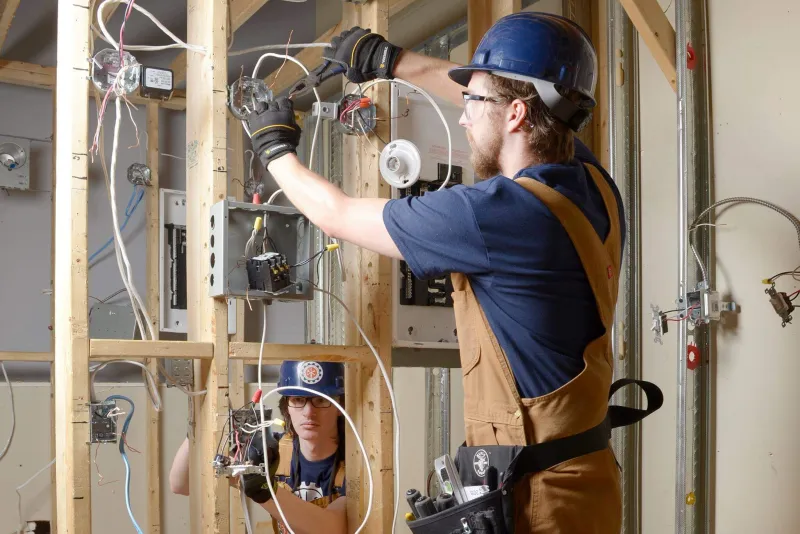
Photo: electrician installing induction hob circuit in modern UK kitchen consumer unit, via www.liveenhanced.com
Induction hobs have become a familiar sight in British kitchens, and for good reason: they are responsive, easy to clean and avoid the open flame of gas. Yet the change from gas or an older electric hob is rarely a simple like-for-like swap. More often, it is the point at which the kitchen's electrical supply needs to be designed properly rather than assumed.
The appliance itself may be sleek, but the circuit behind it has to carry a serious load safely for many years. For homeowners planning a kitchen in 2026, the sensible approach is to settle the electrical design before the worktop is cut and before the hob is ordered. What follows is a plain-English guide to the questions a competent electrician will ask, and the checks that should be made before any cable is pulled.
Start with the appliance schedule, not a guess
The first mistake is to choose a circuit size before the appliance is known. Induction hobs vary considerably. A small two-zone model may be modest, while a large five-zone hob can draw well over 7 kW when several zones are used at once. Manufacturer instructions are not optional reading; they set out the supply requirements, minimum cable size and any restrictions on protective devices or isolation.
A useful starting point is the rating plate and the installation manual. These give the total connected load, the recommended supply current and whether the hob is designed for a single-phase or two-phase supply. Most UK domestic installations will be single-phase, but the appliance data still needs to be matched to the house.
This is also the moment to confirm that the hob is suitable for the intended use. Some models require a specific clearance beneath the worktop, particularly where a drawer or oven sits below. Heat, ventilation and access for future maintenance all form part of the planning, even though they are not strictly electrical matters.
Why a dedicated circuit is usually the right answer
An induction hob is a fixed cooking appliance, not a portable one. In most cases it should be supplied by its own dedicated circuit from the consumer unit. A 13 A plug and socket is rarely appropriate for a full-size hob, and daisy-chaining it from an existing ring final circuit is seldom acceptable.
A dedicated circuit gives the appliance the supply it needs and keeps the protective device specific to that load. It also reduces the chance of nuisance tripping affecting other parts of the kitchen. Where an old cooker circuit already exists, it may be reusable, but only after its cable, protective device, route and condition have been assessed. Age alone is not a reason to condemn a circuit; equally, the presence of a cooker switch is not proof that the cable is suitable for a modern induction hob.
Cable and protective device sizing must be a matched design
A 32 A circuit is a common outcome for a 7.2 kW hob, and it is often the figure homeowners have heard about. But 32 A is not a default. It is the result of a calculation that takes account of the appliance's rated current, the cable's current-carrying capacity, the installation method, grouping with other circuits, ambient temperature, voltage drop and the type of protective device.
Cable size cannot be chosen by rule of thumb. A 6 mm² twin and earth cable may be suitable in many domestic installations, but its capacity depends on how it is run: clipped direct, buried in insulation, grouped with other cables or enclosed in conduit. Thermal insulation in particular can materially reduce the safe current rating. The protective device must also suit the cable and the appliance, and the circuit must meet disconnection and fault-protection requirements under BS 7671, the IET Wiring Regulations.
Where the manufacturer specifies a particular supply current or protective device, that instruction should be followed. A circuit that looks generous on paper but ignores the appliance data is not a designed circuit.
Diversity and the existing supply
Diversity is the recognised way of assessing whether the total installed load is reasonable for the supply, rather than simply adding every appliance's rating together. For household cooking appliances, BS 7671 provides a diversity allowance that can be applied in the right circumstances. A hob rated at around 7.2 kW may, after diversity, impose a much lower design load on the supply than its full rating suggests.
That does not mean the circuit can be undersized. Diversity is used for load assessment; the circuit conductors and protective device still have to be suitable for the appliance and the installation. It is also important to consider the whole kitchen: an existing electric shower, instantaneous water heater or EV charger can leave little spare capacity, even if the hob alone appears manageable.
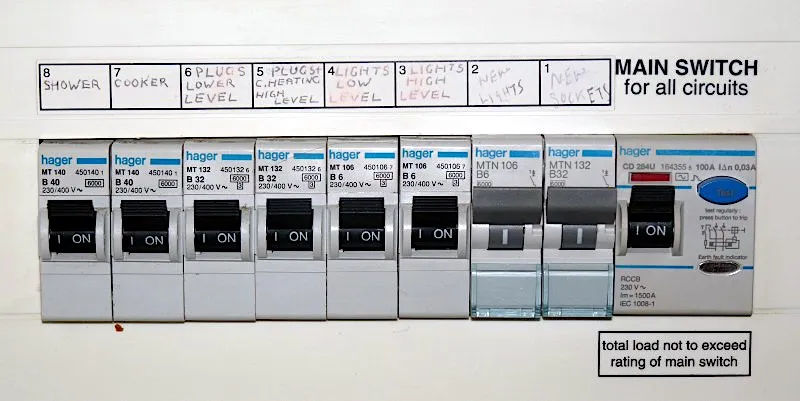
A supply-capacity check before work begins is far cheaper than discovering the limitation afterwards. If the consumer unit is old, has limited spare ways or lacks appropriate RCD protection, that should be identified at planning stage rather than during commissioning.
Isolation and local control
A means of isolation should be provided for maintenance and emergency use. In a kitchen, this is often a double-pole switch positioned accessibly above the worktop, clearly marked for the hob. It should not be hidden behind the appliance or in a cupboard where it cannot be reached quickly.
The isolator is not a substitute for the main switch at the consumer unit, but it gives the householder and the electrician a safe, local point of control. Its rating must suit the circuit, and its location should be agreed with the kitchen design so that it is not lost behind a splashback or tall unit.
Part P, notification and certification
In England and Wales, replacing a like-for-like cooking appliance may not be notifiable, but installing a new circuit is generally notifiable under Part P of the Building Regulations. The exact position depends on the work and the local authority's rules, so it should be confirmed before work starts. Scotland and Northern Ireland have separate building standards and electrical requirements.
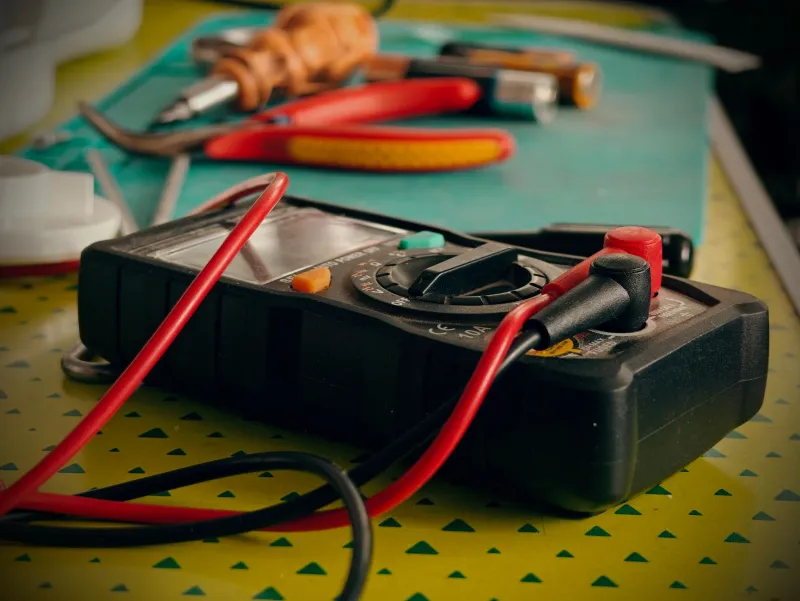
The right route is to use a competent, registered electrician who can design, install, test and certify the circuit. The certificate is not paperwork for its own sake; it records the tests and confirms that the installation has been checked against the applicable regulations. It is also valuable when selling or letting a property.
A calm sequence for the kitchen
The safest induction hob project follows a simple order: choose the appliance and read its data; assess the existing supply and consumer unit; design the dedicated circuit; agree the isolator position; install and test; then commission the hob in line with the manufacturer's instructions. Gas removal, where applicable, should be handled by a Gas Safe registered engineer, and the electrical work should be coordinated with the kitchen fitter so that cables and isolation points are not buried or compromised.
Induction cooking is a worthwhile upgrade, but the supply behind it deserves the same care as the worktop and cabinetry. Getting that design right at the start is the difference between a kitchen that simply looks finished and one that is safely and properly connected.