A Small Press, A Safer Home: The Monthly RCD Check Most UK Households Forget

Photo: close-up hand pressing test button on RCD consumer unit UK home, via img-s-msn-com.akamaized.net
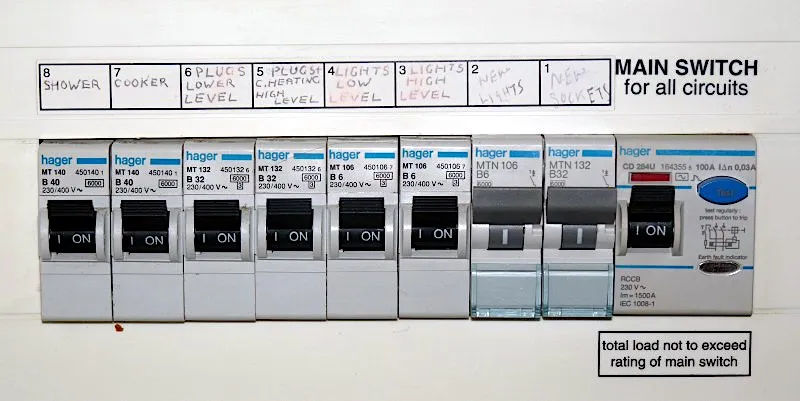
Most UK consumer units contain at least one device with a small button marked 'T' or 'Test'. It is easy to overlook, partly because it sits among switches that householders are usually told not to touch. Yet that button is one of the few parts of a home electrical system designed to be used by the occupant, not only by the installer. Pressing it at regular intervals is a straightforward way to check that an RCD or RCBO is still able to trip when it should.
Why the test button deserves a place in the household routine
A residual current device, or RCD, is intended to disconnect a circuit quickly when it detects earth leakage. That leakage can occur through a damaged cable, a faulty appliance, or a person who has become part of an unintended path to earth. The device is therefore an important layer of protection, but it is not infallible. Mechanisms can stiffen with age, and moisture, dust, insects, or mechanical damage can affect operation. A regular test gives an early warning that something is wrong before a real fault occurs.
The test button is not a substitute for periodic inspection and testing by a competent electrician. It does, however, provide a simple reassurance that the device's trip mechanism is functioning at the moment of the test. For a householder, that is a useful habit to build alongside checking smoke alarms and reviewing other home safety items.
What the button proves, and what it does not
When the test button is pressed, it creates a small simulated earth leakage current within the device. If the RCD or RCBO is working, it should trip and interrupt the supply to the circuits it protects. The check therefore confirms that the mechanical and electrical trip mechanism responds.
It does not confirm the exact time taken to trip, the current at which it operates, or whether every protected circuit is correctly connected. Those checks require specialist test equipment and knowledge of the installation. Nor does the button test replace the need for an RCD to be tested with an instrument during an electrical installation condition report or periodic inspection. The householder's test is a first-line check, not a full verification of safety.
RCDs and MCBs: same face, different job
Consumer units often contain miniature circuit breakers, or MCBs, alongside RCDs. The two devices look similar and both switch off when something is wrong, but they protect against different risks. An MCB is primarily there to protect cables from overload and short circuits. It will not necessarily respond to earth leakage that is too small to trip an MCB but large enough to be dangerous.
An RCD is concerned with earth leakage and is chosen for the level of personal protection it provides. An RCBO combines both functions in one device: it offers overcurrent protection and residual current protection. Where an RCBO is fitted, its test button checks the RCD part of the device, not the overcurrent part. This distinction matters because pressing a test button on an MCB is not a valid safety check; MCBs generally do not have test buttons of this kind.
A five-minute monthly check
The following routine is deliberately simple. It should take only a few minutes once it becomes familiar. Choose a time when the household is calm and when losing power briefly will not cause a problem. If anyone in the home depends on powered medical equipment, seek advice from the equipment supplier or a healthcare professional before carrying out any test that interrupts the supply.
- Locate the consumer unit and make sure your hands are dry. Do not open the enclosure. The test button is designed to be operated with the cover closed.
- Identify the RCD or RCBO and read the label beside it. This tells you which circuits will lose power when the device trips. If the labelling is missing or unclear, make a note to have it improved by an electrician.
- Press the test button firmly once. You do not need to hold it for a long time; a single deliberate press is sufficient.
- Confirm that the device has tripped and that the protected circuits have lost power. A clock, fridge, or socket circuit may be affected, depending on the label.
- Reset the device by moving the switch fully to the off position and then back to the on position. Check that power returns to the protected circuits.
- Record the date in a diary, calendar, or home maintenance file. If there are several RCDs or RCBOs, test them one at a time so that you can see which circuits are affected.
Testing once a month is a common recommendation, though some manufacturers and guidance suggest a quarterly check. Follow the instruction label on the device or the consumer unit where one is provided. The important point is regularity: a test carried out once and then forgotten for years offers little reassurance.
What a successful trip looks and sounds like
A healthy trip is usually a firm, mechanical clunk as the switch moves to the off or middle position. The power should go off immediately on the protected circuits. There should be no sparking, buzzing, burning smell, or visible damage. If the device trips but the power does not appear to go off, or if the switch feels loose or fails to move properly, stop and arrange for an electrician to inspect it.
A device that trips but will not reset is also a warning sign. So is a device that resets but trips again almost immediately with no obvious appliance fault. Repeated resetting is not a sensible troubleshooting strategy; it may simply stress the device and obscure the underlying problem.
If the device will not reset
First, do not force the switch, tape it in position, or attempt to bypass the device. These actions undermine the protection it provides. If the RCD or RCBO will not reset, switch off and unplug appliances on the protected circuits, then try to reset once more. If it still will not stay on, leave it off and contact a competent electrician. If it resets but trips again when certain appliances are used, note which appliances were connected and pass that information on.
It is also worth checking whether the device has tripped because of a genuine fault elsewhere. A faulty appliance, damaged flex, or water ingress can all cause repeated tripping. An electrician can test the installation and, where appropriate, help identify the appliance responsible. Householders should not remove covers or attempt to investigate inside the consumer unit.
When to call an electrician rather than press again
A single failed test is reason enough to stop and seek advice. Call a competent electrician if the test button does nothing, if the device will not reset, if it trips immediately after resetting, if it trips more often than before, or if there are signs of heat, smell, buzzing, cracking, or visible damage. The same applies if no RCD is fitted on circuits where one would normally be expected, or if the consumer unit labelling is so poor that you cannot tell what the device protects.
An electrician will use dedicated test instruments to check trip time and operating current, inspect connections, and confirm that the installation remains safe. A repeated failure should not be treated as an invitation to press the button again and again. It is a signal that the device or the installation needs professional attention.
Making the habit stick
A calendar reminder on the first day of each month is often enough. Some householders prefer to test the RCD at the same time as checking smoke alarms, which turns two small tasks into one routine. Keep a brief record of the date and result. If you rent, tell the landlord or managing agent about any failure. In a small business premises, the person responsible for the building should be informed so that the matter can be dealt with promptly.
None of this replaces the need for proper installation design, suitable enclosure, and periodic inspection by a competent person. It does, however, give householders a practical way to notice a problem early. A small press of a button, carried out calmly and repeated monthly, is a modest habit with a clear safety purpose. S&DG Electric encourages homeowners and businesses across the UK to treat the RCD test button as part of the regular fabric of property maintenance, not as an unexplained extra on the consumer unit.